
AI Summary
This article explains why Lantern Festivals are becoming an effective nighttime revenue strategy for attractions. It covers the limits of daytime-only operations, the commercial benefits of after-dark programming, why lantern-based experiences scale well across venues, and the operational factors that drive strong results.
For many attractions, the business day still ends too early.
Once daylight fades, guest traffic drops, gates begin to close, and large parts of the venue become inactive. Yet the fixed costs behind the operation do not disappear. Land, infrastructure, maintenance, utilities, and staffing obligations continue whether the site is open for eight hours or twelve.
That creates a structural limitation: operating hours are capped, but operating costs are not.
In many cases, the core issue is not a lack of visitor interest. It is a lack of monetizable evening programming that gives guests a reason to stay longer or return after dark.
For attractions looking to grow revenue without expanding their footprint, a Lantern Festival can turn idle nighttime hours into a commercially valuable experience window.
Why the Nighttime Economy Matters More Than Ever
Across tourism, leisure, and destination development, the nighttime economy is becoming a more important part of long-term growth.
Visitors increasingly want experiences that feel immersive, social, and visually memorable. Families are more open to structured evening outings. Tourist destinations are also under pressure to spread demand across more hours of the day instead of concentrating everything into daytime peaks.
This shift changes how attractions compete. They are no longer competing only for daytime attendance. They are competing for evening attention, after-dark spending, and the chance to become part of a guest’s full-day itinerary.
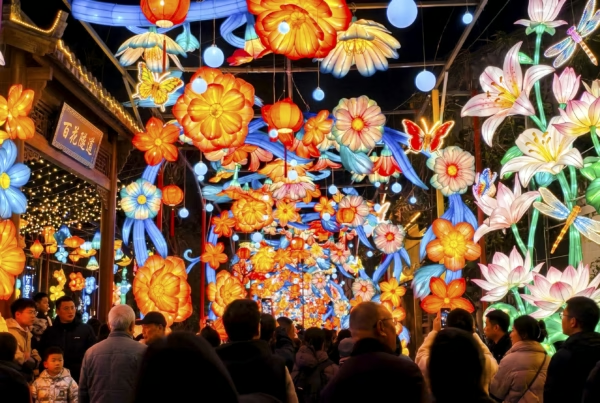
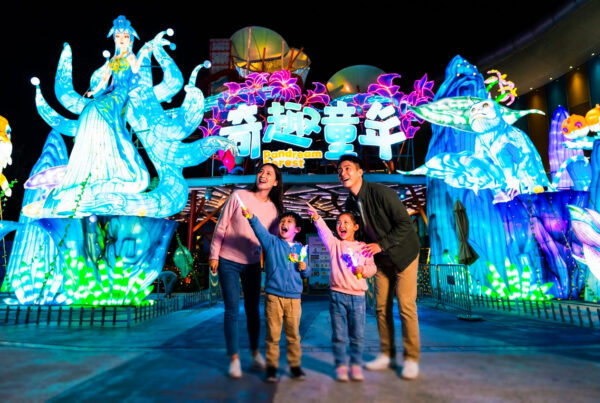
A well-designed Lantern Festival fits this shift naturally because it combines visual impact, walk-through discovery, family appeal, and strong shareability in one format.
The Limits of Daytime-Only Operations
1. Underused Venue Hours
Most venues leave a large part of the 24-hour cycle commercially inactive. Paths, gardens, lakesides, plazas, and open circulation areas often sit unused at the exact time they could become most atmospheric.
2. Limited Revenue Layers
If the venue depends mainly on daytime admission, growth becomes harder. There are fewer opportunities to add a second ticketing window, premium upgrades, or nighttime food and beverage spending.
3. Seasonal Pressure
Shorter days, off-peak tourism, and colder months can compress daytime attendance even further. This makes it harder to maintain revenue momentum through the full operating calendar.
These limits are structural, not just promotional. That is why many attractions are now looking beyond daytime optimization and toward after-dark activation.
How a Lantern Festival Changes the Revenue Model
Extends Monetizable Hours
By activating the site after sunset, attractions gain a second operating window without needing to build a new venue. Existing walkways, gardens, guest routes, and landmark areas can generate value for more hours each day.
Creates a Second Ticketing Opportunity
A Lantern Festival makes it possible to introduce:
- Standalone evening tickets
- Day-and-night bundled passes
- Seasonal premium nights
- Group and event-based bookings
This creates a new revenue layer using infrastructure the attraction already owns.
Increases Guest Spend
Guests who stay into the evening tend to linger longer, move at a more relaxed pace, and spend more on food, beverages, snacks, and souvenirs. A strong nighttime route also encourages photo-taking, social sharing, and repeat circulation through commercial areas.
Improves Capacity Distribution
When part of guest demand shifts into the evening, daytime congestion can ease. That often leads to a better overall visitor experience while increasing total daily throughput.
In short, a Lantern Festival does not just add hours. It improves how the venue earns across those hours.
Why Lantern Festivals Work So Well as Nighttime Experiences
Not every nighttime format is equally scalable. Live shows are schedule-dependent. Night markets require ongoing vendor coordination. Temporary entertainment programs often struggle to create a cohesive guest journey across a large site.
Lantern Festivals offer a stronger operational structure for many attractions because they are:
- Visually immersive and highly photogenic
- Walkable and suitable for broad age groups
- Flexible across gardens, zoos, theme parks, public spaces, and seasonal destinations
- Capable of running for weeks or months instead of only a few event nights
- Easy to theme around culture, nature, holidays, local stories, or venue identity
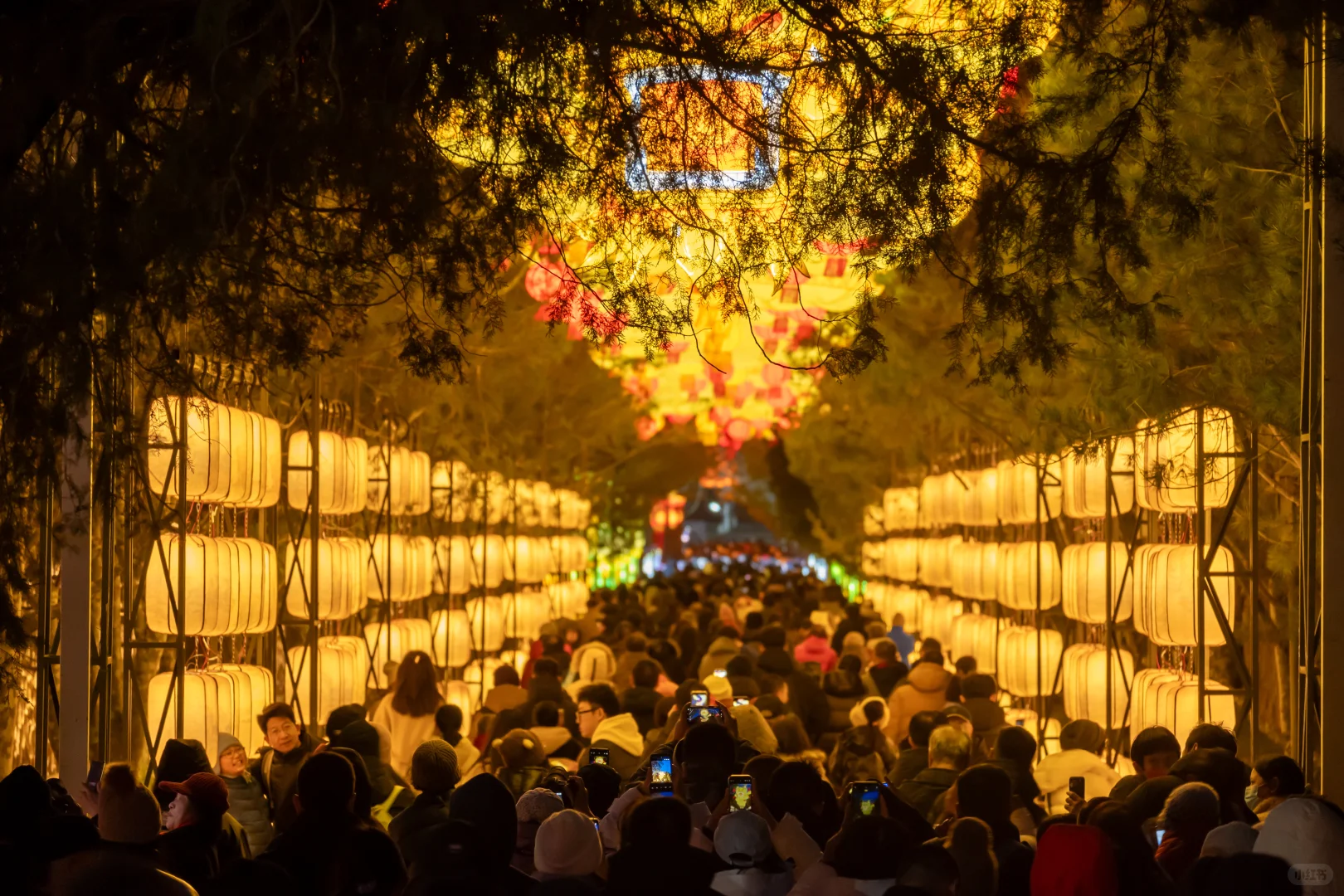
Most importantly, they transform the venue into an environment guests move through, not just a single show they watch. That usually leads to longer dwell time, stronger perceived value, and better revenue performance.
Which Venues See the Strongest Fit
Lantern Festivals are especially effective for venues with spatial depth, evening atmosphere, and underused nighttime capacity.
The strongest fit often includes botanical gardens, zoos and safari parks, amusement parks and theme parks, water parks with large circulation zones, public spaces, and festive celebration sites looking for seasonal anchor programming.
These venues already have the physical ingredients needed for a compelling Lantern Festival route. What they often need is the right concept, layout strategy, production partner, and delivery model.
What Makes a Lantern Festival Commercially Successful
Route and Flow Planning
The guest journey must feel clear, paced, and rewarding. Entry moments, photo points, dwell zones, and circulation patterns all influence how long visitors stay and how much value they feel they received.
Ticketing and Positioning
Pricing, packaging, and campaign timing should reflect the local market. The most effective Lantern Festivals are positioned as a compelling destination experience, not just decorative lighting.
Operational Reliability
Safety, electrical systems, installation quality, weather resilience, and maintenance planning all matter. For medium-to-large projects, dependable onsite support is often the difference between a stable run and a costly disruption.
Theme Relevance
The strongest Lantern Festivals do not feel generic. They connect to the venue, season, audience profile, and local context in a way that makes the experience feel intentional.
Attractions that treat a Lantern Festival as a strategic revenue product tend to get far better results than those that treat it as a short-term visual add-on.
From Idle Evenings to a Stronger Revenue Engine
For many attractions, nighttime hours remain one of the most underused commercial assets on the property.
A Lantern Festival offers a practical way to turn those hours into a ticketed, memorable, and repeatable experience. It can extend operating hours, create a second revenue window, improve guest engagement, and support stronger per-capita spend without requiring a major physical expansion.
As competition for visitor attention grows, the question is no longer whether attractions should think seriously about nighttime activation. The question is which format can deliver both operational practicality and strong guest appeal.
For many venues, a well-produced Lantern Festival is one of the clearest answers.