
AI Summary
Marketing a Lantern Festival demands targeted strategies to attract families and tourists. Operators can drive revenue by focusing on these essential steps:
- Tailor messages for different audiences.
- Highlight emotional storytelling.
- Apply a tiered pricing strategy.
- Partner with local attractions.
Introduction
A Lantern Festival is not just a visual display. It is an experience economy product, a cultural narrative, and a commercial opportunity all at once. Yet, many operators underestimate one critical factor—marketing. Without a clear strategy, even the most stunning lantern installations can fail to reach their potential audience.
At first glance, marketing a Lantern Festival seems simple. Put up some photos, run a few ads, and wait for visitors. However, in reality, it is far more complex. Families look for safety, fun, and value. Tourists, on the other hand, seek uniqueness, authenticity, and shareable moments. Balancing both—well, that is where the real challenge lies.
From first-hand project experience across European venues, one pattern becomes clear. The most successful festivals are not always the biggest or most expensive. Instead, they are the best positioned. They speak directly to their audience, and they do so consistently.
So, how do you market a Lantern Festival effectively? More importantly, how do you attract both families and tourists without diluting your message?
Let us break it down.
Lantern Festival
A Lantern Festival is often perceived as a “light show.” That is a mistake. In practice, it is a layered product that combines art, culture, and entertainment.
On one side, it offers visual spectacle—large-scale illuminated installations, themed pathways, and immersive environments. On the other, it delivers emotional value—wonder, nostalgia, and shared experiences.
Interestingly, many operators focus too much on the hardware. Bigger lanterns, brighter lights, more installations. Yet, visitors rarely remember size. They remember moments.
For example:
-
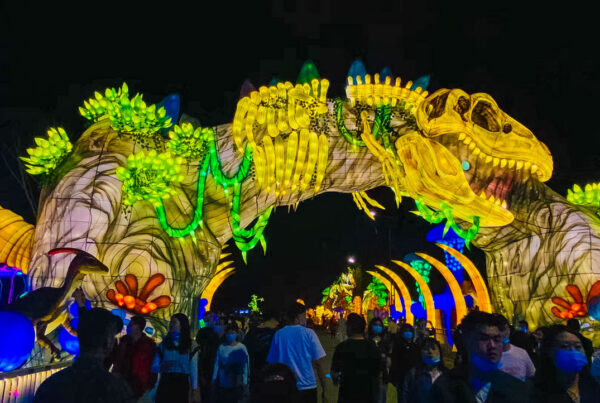
A child seeing a glowing dragon for the first time
-
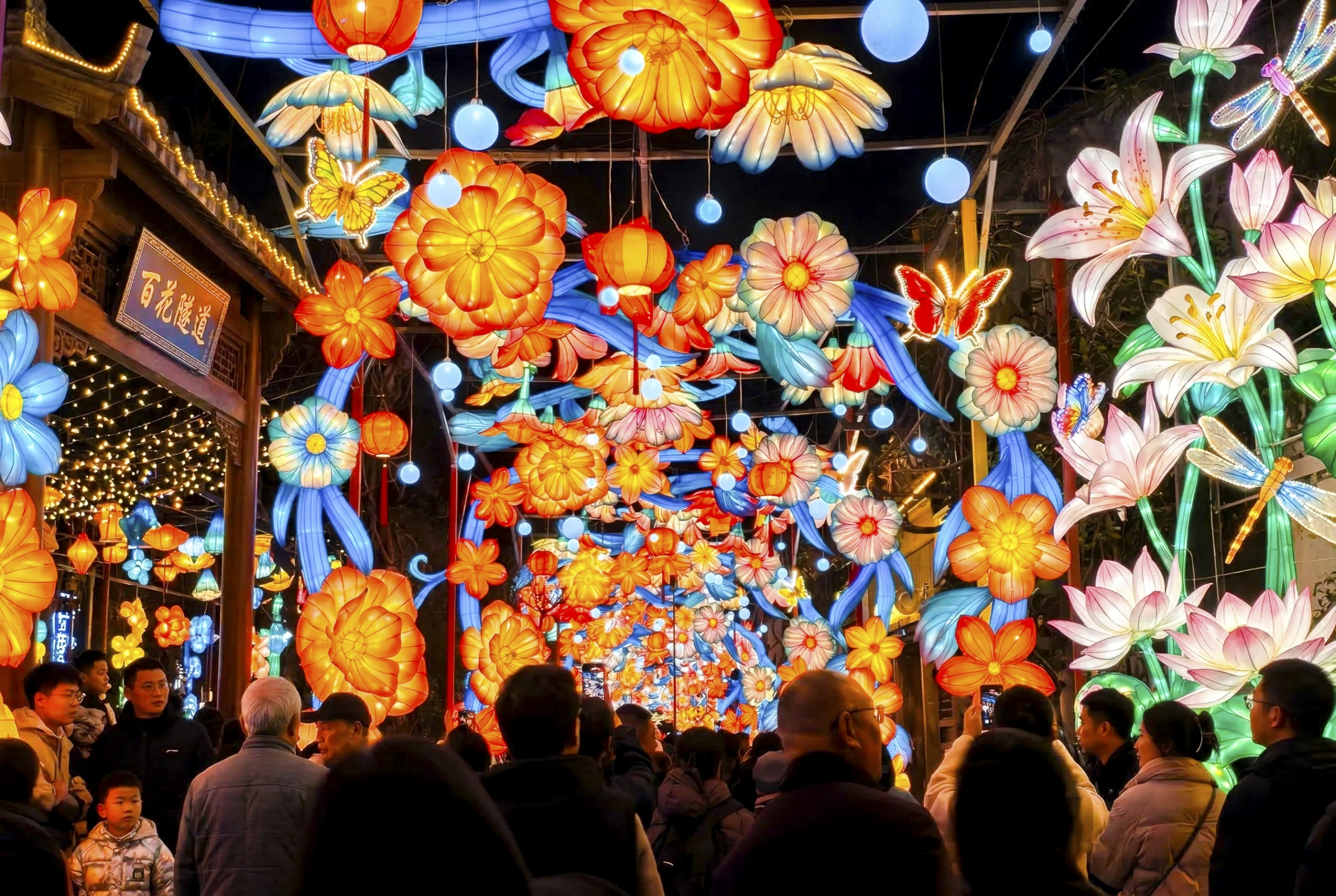
A couple taking photos under a tunnel of lights
-
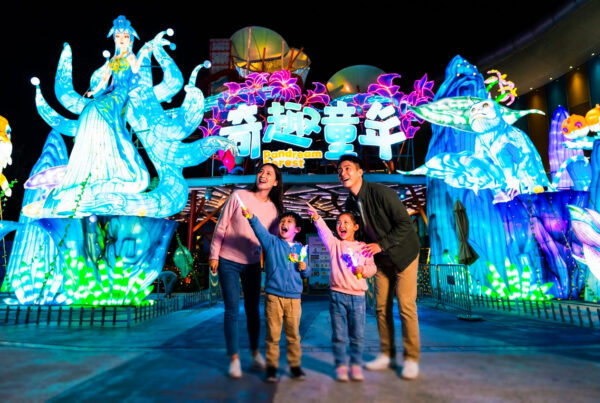
A family walking together in a calm, safe nighttime setting
These moments define the product.
From a marketing perspective, this means one thing. You are not selling lights. You are selling experiences.
Moreover, positioning matters. A Lantern Festival can be framed in multiple ways:
|
Positioning Angle |
Target Audience |
Message |
|---|---|---|
|
Cultural Event |
Tourists |
Discover traditional art |
|
Family Experience |
Families |
Safe and fun evening |
|
Night Attraction |
Both |
Unique nighttime activity |
Choosing the right angle—or combining them strategically—can significantly impact ticket sales.
Audience Segmentation: Families and Tourists
Not all visitors think alike. That sounds obvious, yet it is often ignored.
Families and tourists behave differently, plan differently, and spend differently. Therefore, your marketing must reflect that.
Families typically:
-
Plan short trips
-
Focus on children’s enjoyment
-
Look for value and safety
-
Prefer early evening visits
Tourists, meanwhile:
-
Seek unique experiences
-
Value cultural storytelling
-
Spend more per visit
-
Are influenced by online content
This leads to a critical insight. One message cannot serve both audiences effectively.
Instead, consider a dual approach.
For families:
-
Highlight safety and accessibility
-
Emphasize child-friendly activities
-
Promote bundled tickets
For tourists:
-
Showcase uniqueness and authenticity
-
Use storytelling in visuals
-
Highlight location and travel convenience
In practice, this segmentation often improves conversion rates significantly. It reduces confusion and increases relevance.
Emotional Positioning in Lantern Festival Marketing
People rarely buy tickets because of logic alone. Emotion drives decisions.
A Lantern Festival naturally lends itself to emotional storytelling. Light, after all, is symbolic. It represents hope, warmth, and celebration.
Yet, many campaigns remain overly technical. They describe installations instead of experiences.
A better approach?
Tell stories.
For example:
-
“A magical night your children will never forget”
-
“Step into a glowing world inspired by ancient legends”
These messages are simple, but effective. They create anticipation.
However, there is a contradiction here. While emotion sells, clarity converts. Therefore, balance is essential.
Use emotional headlines, but support them with clear details:
-
Opening hours
-
Ticket prices
-
Location
This combination builds trust.
Visual Marketing for Lantern Festival
A Lantern Festival is inherently visual. Therefore, your marketing must be too.
High-quality images and videos are not optional. They are central to your strategy.
But not all visuals work equally well.
The most effective ones:
-
Show people interacting with installations
-
Capture natural moments
-
Avoid staged compositions
Why?
Because authenticity resonates. Visitors want to imagine themselves in the scene.
Additionally, consider platform-specific formats:
-
Short vertical videos for social media
-
Wide-angle images for websites
-
User-generated content for credibility
In fact, encouraging visitors to share photos can amplify reach organically.
Pricing Strategy for Families and Tourists
Pricing is not just about revenue. It is a positioning tool.
For families, affordability matters. For tourists, perceived value matters more.
Therefore, a tiered pricing structure is often effective:
|
Ticket Type |
Target Group |
Benefit |
|---|---|---|
|
Family Pack |
Families |
Cost savings |
|
Standard Ticket |
General |
Flexibility |
|
Premium Experience |
Tourists |
Exclusive access |
Dynamic pricing can also help. For example:
-
Lower prices on weekdays
-
Higher prices during peak periods
This approach balances demand.
Channel Strategy for Lantern Festival Promotion
Marketing channels determine visibility.
For families:
-
Facebook ads
-
Local community groups
-
School partnerships
For tourists:
-
Google Ads
-
Travel blogs
-
Instagram
Interestingly, search intent differs.
Families search:
-
“Things to do with kids near me”
Tourists search:
-
“Unique experiences in [city]”
Optimizing for both improves reach.
Local Partnerships and Destination Marketing
No Lantern Festival operates in isolation.
Partnering with local attractions can significantly expand your audience.
Examples include:
-
Theme parks
-
Zoos
-
Botanical gardens
These venues already have visitors. By integrating your festival, you leverage existing traffic.
Additionally, co-marketing campaigns can reduce costs.
Tourist Targeting Strategies
Tourists require a different approach.
They often rely on:
-
Travel platforms
-
Hotel recommendations
-
Online reviews
Therefore, visibility on these channels is essential.
Also, language matters. Offering multilingual content improves accessibility.
Family Engagement and Activities
Families expect more than visuals.
Interactive elements increase satisfaction:
-
Workshops
-
Performances
-
Food stalls
These additions extend visit duration and increase spending.
Content Marketing and SEO
A strong content strategy supports long-term growth.
For example, articles like:
-
“Best winter activities in [city]”
-
“Family-friendly night attractions”
These help attract organic traffic.
On-site Experience Delivery
Marketing creates expectations. The experience must meet them.
Key factors:
-
Crowd control
-
Clear signage
-
Friendly staff
Failure here can damage reputation quickly.
Data Optimization and Performance Tracking
Data drives improvement.
Track:
-
Ticket sales
-
Conversion rates
-
Visitor feedback
Adjust campaigns accordingly.
Seasonal Strategy and Off-season Value
Lantern Festival projects often succeed in winter.
They provide:
-
Revenue during low season
-
Increased venue utilization
This makes them attractive for partners.
Conclusion
Marketing a Lantern Festival is both an art and a system. It requires understanding audiences, crafting messages, and delivering experiences.
When done correctly, it transforms a simple event into a powerful revenue engine.
More importantly, it creates lasting memories.